
Guest Blog: End-of-Year Library Tips
Bev Humphrey, Reading, School Libraries & Digital Media Consultant
www.bevhumphrey.com
The final stretch of the school year can be one of the biggest challenges for school librarians. In this guest blog, Bev Humphrey shares practical ideas for encouraging book returns, keeping reading visible and ending the term on a calm, organised note.
There comes a point every summer term when school librarians across the UK all seem to have the same thought at exactly the same time: Where have all the books gone?!
In my experience the final stretch of the school year has always been a strange mix of chaos and countdowns. Students are distracted by exams, trips, sports days and the general excitement of summer approaching. Staff are exhausted and counting the minutes until the holidays. Libraries become places where overdue book numbers multiply at alarming speed while entire copies of popular series appear to have vanished into another dimension.
At the same time, this last term can be one of the most important times in the year for your library. A calm, organised finish makes coming back in September much easier, and the way students leave the library for summer often shapes how they return to it in autumn, whether this be with enthusiasm or trepidation.
How to encourage overdue book returns before summer
One of the biggest challenges is usually encouraging students to bring books back without turning the whole library atmosphere into a lecture about overdue loans. In reality, most students have not deliberately kept books forever. They are usually buried in lockers, under beds, inside PE bags or quietly living at the bottom of a rucksack that has not been emptied since February.
The most successful approach for me was always to try to make returns feel positive and manageable rather than punitive. A simple ‘library amnesty’ week can work wonders. The moment students (& staff) realise they are not going to be publicly shamed for returning a book that is six months overdue, books suddenly start reappearing from every corner of the school.
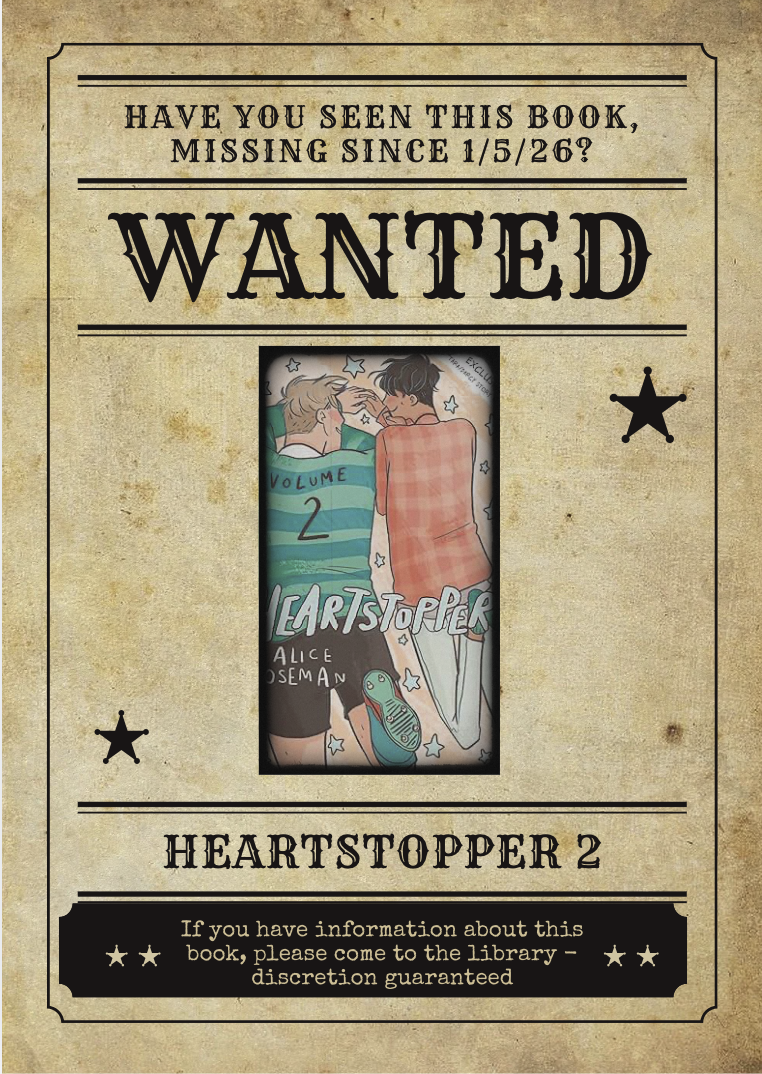
A bit of humour helps too. Posters about ‘lost books returning home for summer’ or ‘library rescue missions’ tend to land far better than stern warnings. I’ve seen some great displays this year that focus on the Need Doh craze – ‘We Need Dohz library books back’ for example. I also remember a colleague who used to dress up as the grim reaper in the last week of term to collect books …..I feel this may be a step too far for most of us however! If you can get students to smile whilst being ‘nagged’ about book returns you are definitely winning. Make good use of your Accessit dashboard to keep the focus on time running out, perhaps by creating a countdown graphic in Canva that you can quickly adjust each morning or make wanted posters for missing books , there’s a Canva template here that you are welcome to use and adapt.
Should you stop lending books at the end of term?
One thing many colleagues struggle with is deciding when to stop lending books altogether, it can feel tempting to shut borrowing down early just to avoid more overdue loans appearing before summer. The problem is that students still need reading opportunities right until the end of term, especially once exams finish and routines become more relaxed and reading to aid good mental health is even more important after the stress of revision.
Instead of stopping borrowing completely, it can help to reduce loan limits or shorten loan periods slightly while keeping reading visible and active in the library, this is of course easily done through the borrower category function in Accessit. Summer reading displays also work best when they appear early enough to build excitement rather than being rushed out during the final week of term when everybody is already mentally on holiday.
End of term school library shelf checking and weeding tips
The final term is also the perfect time for all those quiet library jobs that are impossible to tackle properly during busy months. Shelf checking (no I’m not suggesting a full stocktake – as if I would!) becomes strangely satisfying once the library calms down a little. It is often the moment you rediscover books that were apparently missing for years, alongside the occasional truly baffling shelving decision. I used to discover books in very strange places that had been reshelved by my pupil library assistants, wonderful young people they were however it seemed their grasp of the alphabet was not always on point!
Weeding the collection is another job that becomes much easier when students are less dependent on coursework resources. Most of our libraries have shelves containing tired, outdated books that nobody has touched in years, that the constraints on your time have prevented you from looking at. Removing them can instantly make the collection feel fresher and more inviting without spending a penny. It was a lesson I had to learn when I first became a librarian , that quality trumps quantity every time and having shelves packed full of books that no one borrows, however aesthetically pleasing it might be, does not encourage kids to read.
Use library borrowing data to plan for September
This is also a useful point in the year to step back and look at borrowing patterns properly.
Which books flew off the shelves? Which displays actually worked? Which titles sat untouched despite your best efforts?
This is when your Usage Reports in Accessit really shine, making finding this information a breeze. The answers to these questions can be of great help when you are planning purchases and themed events for September.
How to celebrate readers and maintain reading culture at the end of term
Perhaps most importantly, the final term should not become entirely about recovering stock. It is easy to slip into overdue mode and forget to celebrate the reading culture you have built all year. Students who volunteered in the library, recommended books to friends or discovered a love of reading deserve to leave the year feeling recognised.
Sometimes a simple conversation, certificate or small display celebrating readers has more long-term impact than recovering every missing copy of a dog eared fantasy novel (or never to be seen again Heartstoppers).
Realistically, a few books will disappear forever – possibly more than a few. Every librarian knows this. Somewhere out there are school library books living permanent second lives on bedroom shelves across Britain and to be honest if they are being read and enjoyed I can’t be too sad about that.
The goal is not perfection. The goal is ending the year with students still feeling that the library is welcoming, useful and worth returning to in September.
If you can do that while recovering most of the missing books and surviving the final term with your sanity intact, that is already a huge success, and I’d like to wish you a very happy summer break.


